The Fixer Line
Fix more around your home. Spend less doing it.
Helping you fix more, spend less & live better — step-by-step DIY repair guides with honest cost ranges and a straight answer on when to call a pro.
Start here
New here? Start here
Every guide on the site, organized by the fix you’re facing. Pick a topic and get going.
Top picks
Top picks: start with these
The guides readers reach for most — practical fixes that save real money.
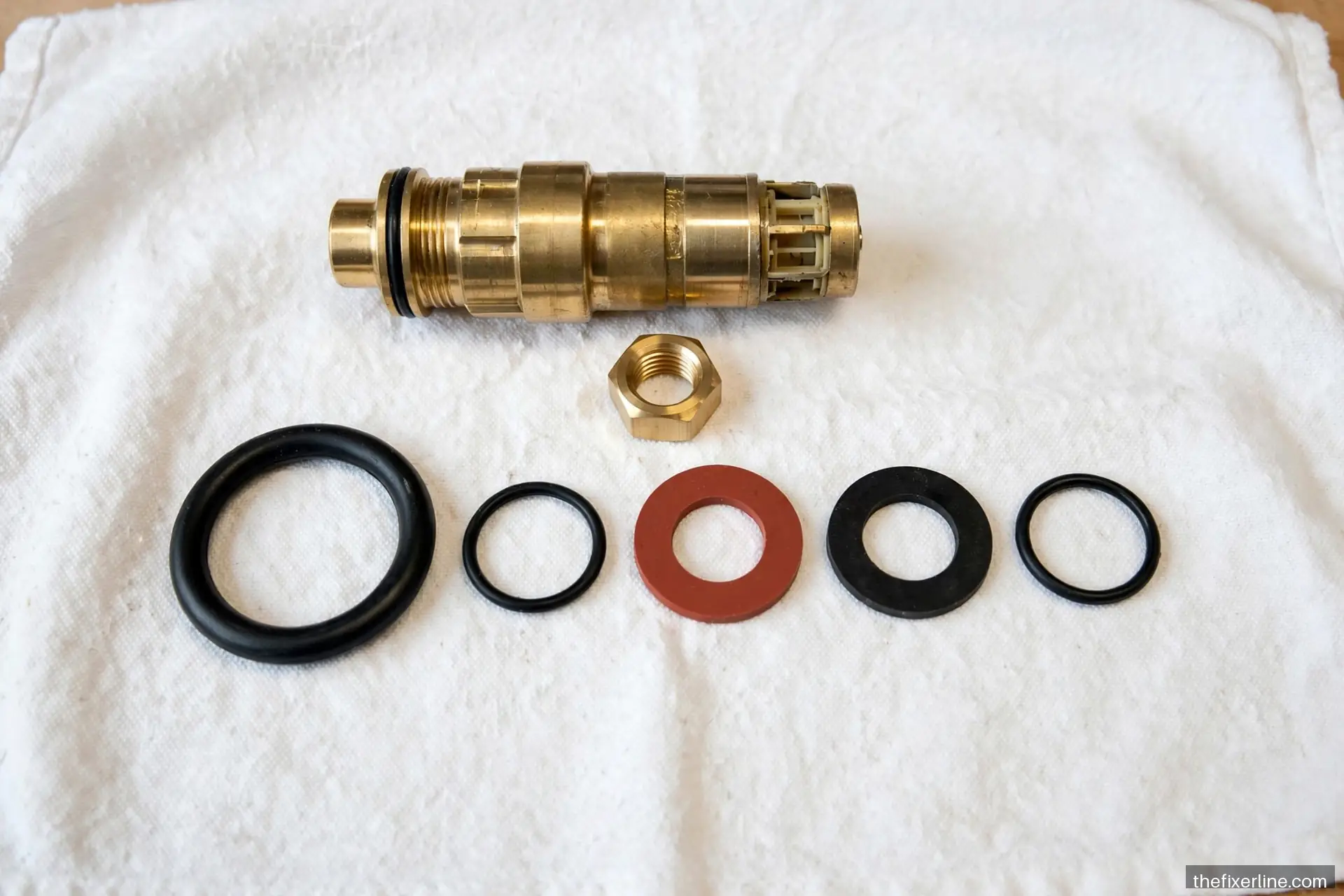
How to Fix a Leaky Faucet: A Step-by-Step Guide
Stop that drip in about an hour — identify your faucet type, shut off the water, and replace the worn parts.
Read the guide →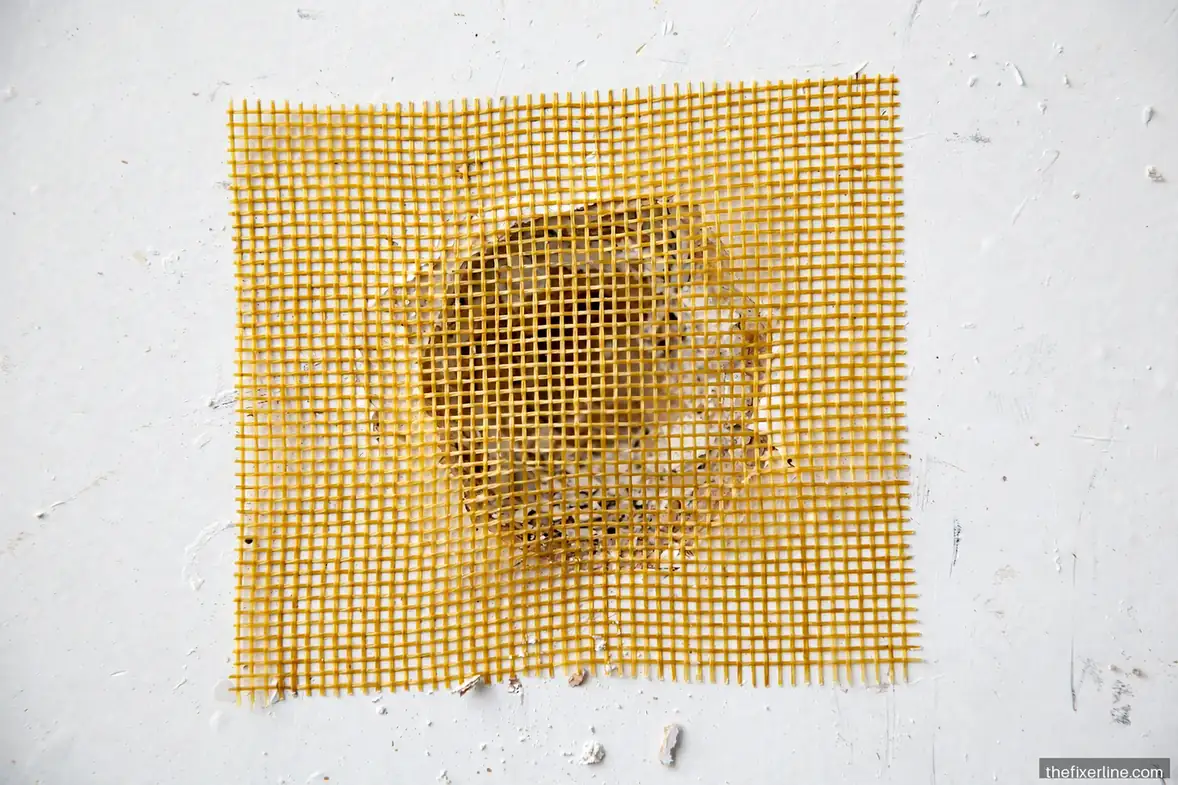
How to Patch Drywall: Small, Medium, and Large Holes
Small nail holes to large patches — the right materials and technique for every hole size.
Read the guide →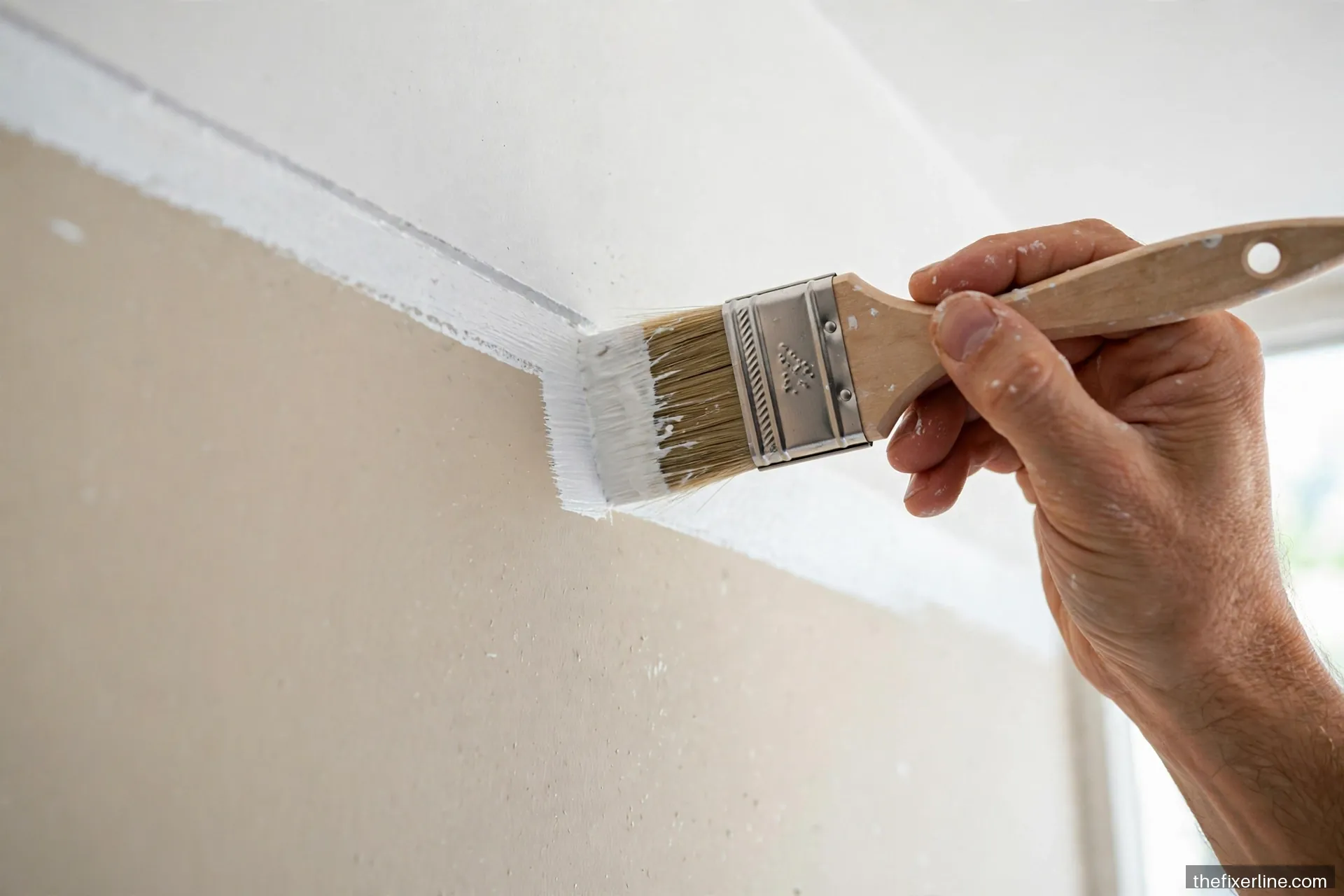
How to Paint a Room Like a Pro, From Prep to Final Coat
Prep, cutting in, and rolling — a clean process for a finish that looks hired-out.
Read the guide →
10 Home Repairs You Should Never DIY
Knowing what not to touch is the most valuable repair skill. These 10 jobs belong to licensed pros.
Read the guide →Don’t miss
Must reads
High-impact guides that pay for themselves the first time you use them.
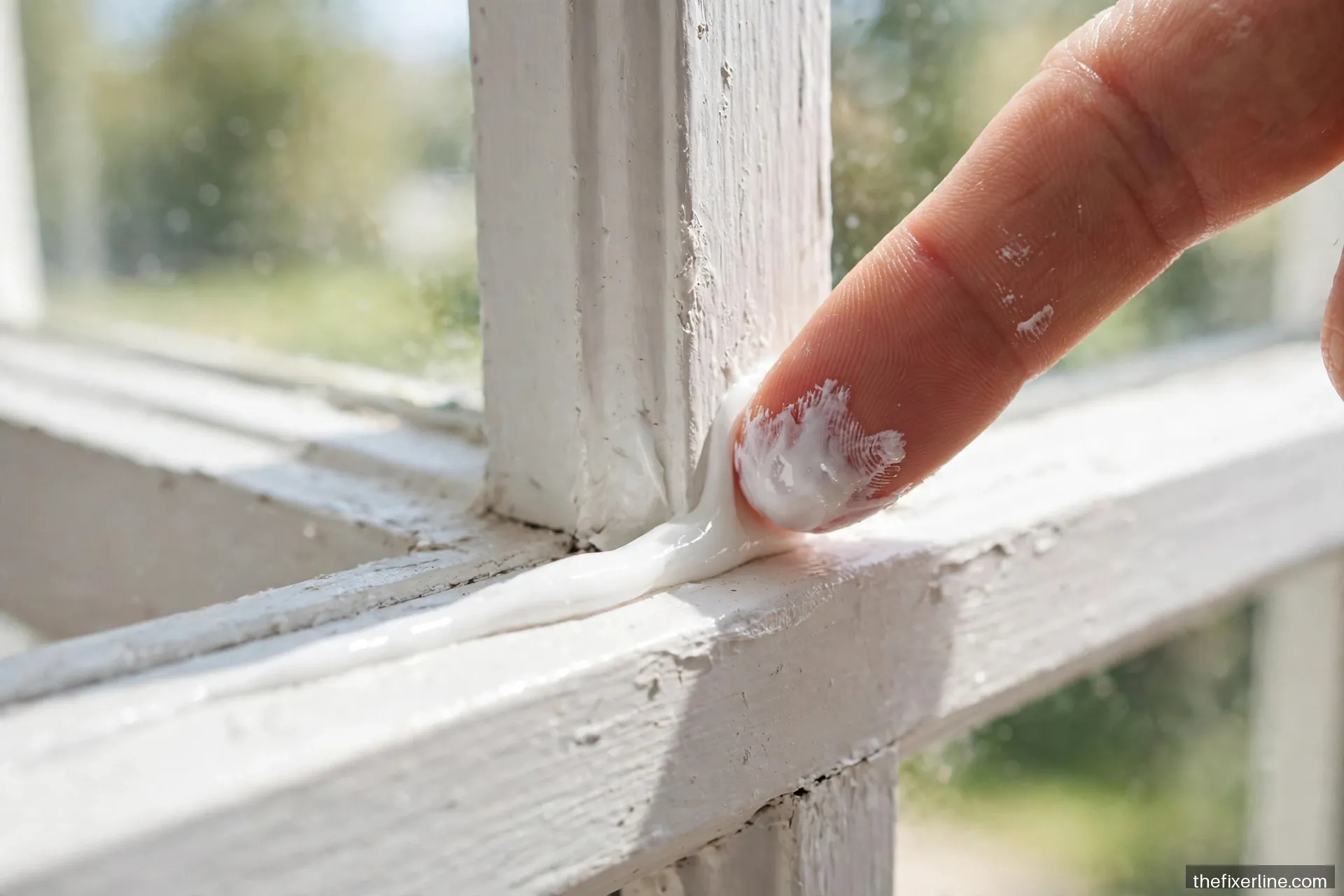
Caulking 101: Where and How to Caulk in Your Home
Where caulk belongs in your home — and how to lay a clean bead that lasts.
Read the guide →
How to Unclog a Drain Without Harsh Chemicals
Skip the harsh chemicals: plungers, drain snakes, and P-trap cleaning that actually work.
Read the guide →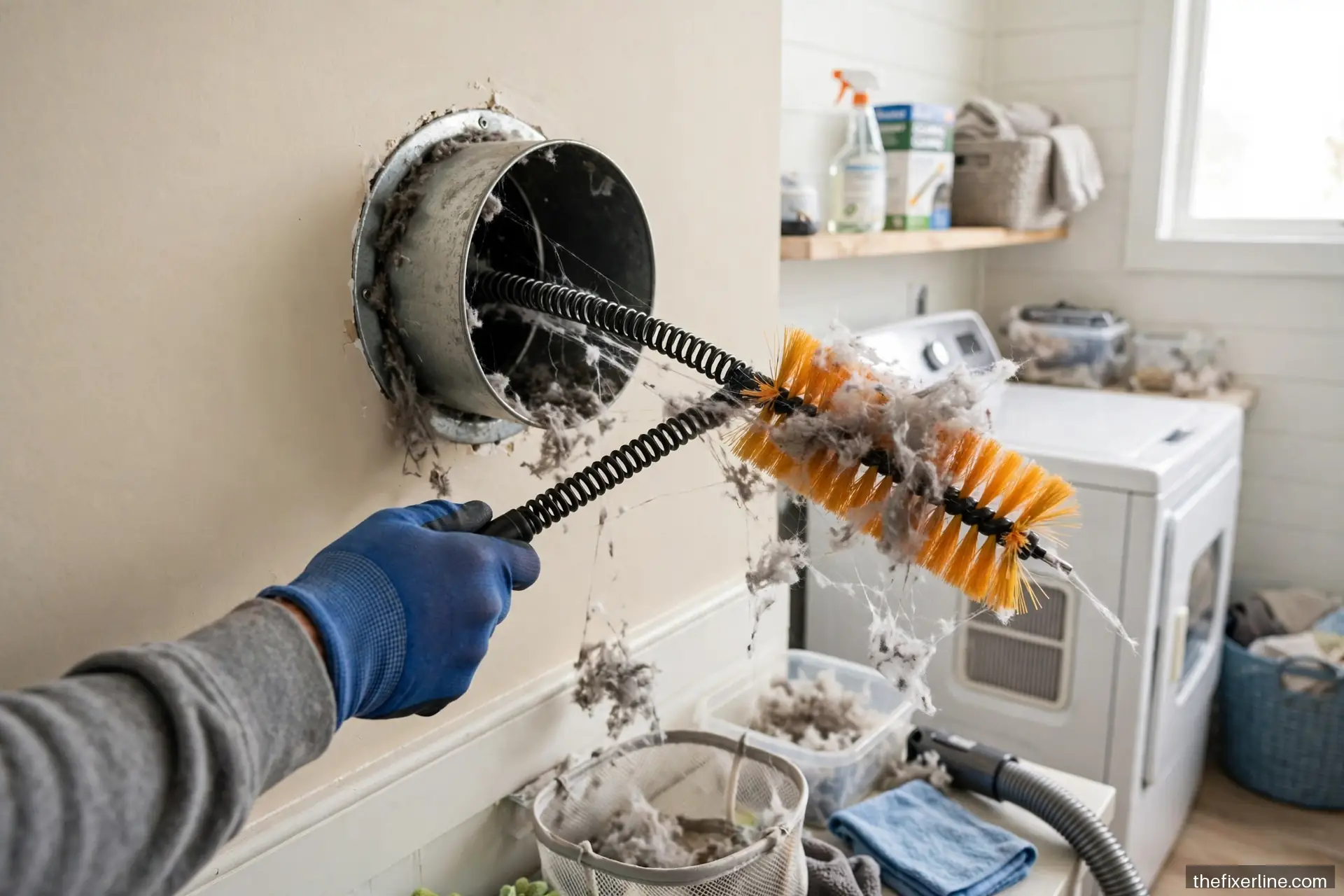
Why Your Dryer Takes Too Long to Dry (and How to Fix It)
Long dry times usually mean restricted airflow. Check these spots before calling for service.
Read the guide →Newsletter
Get The Fixer Line in your inbox
New repair guides, seasonal maintenance reminders, and honest cost tips — straight to your email.
No email service is connected yet, so this is a placeholder, not a working form. The signup form will appear here once an email service is set up.
Latest
Latest articles
Fresh guides and seasonal checklists, newest first.
September 28, 2026
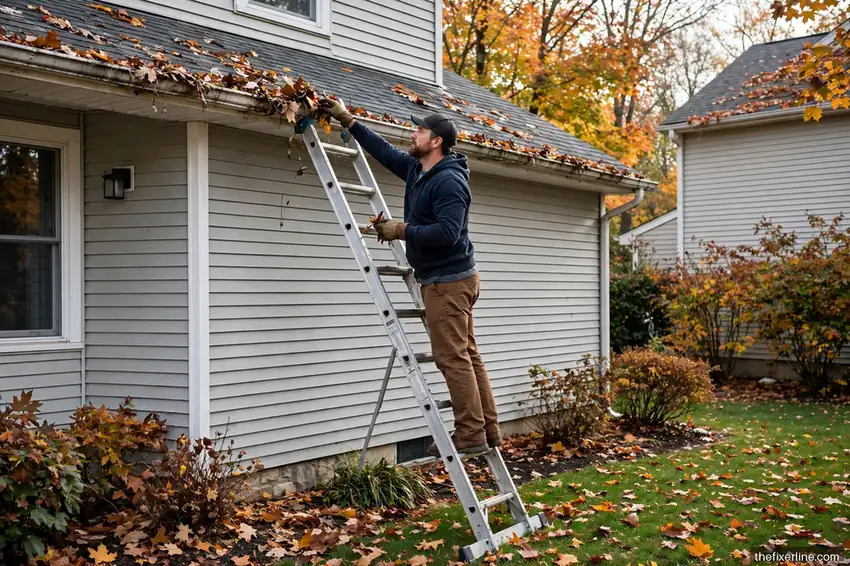
Your 2026 Home Maintenance Calendar
A season-by-season plan for 2026: what to check, clean, and service each quarter.
Read the guide →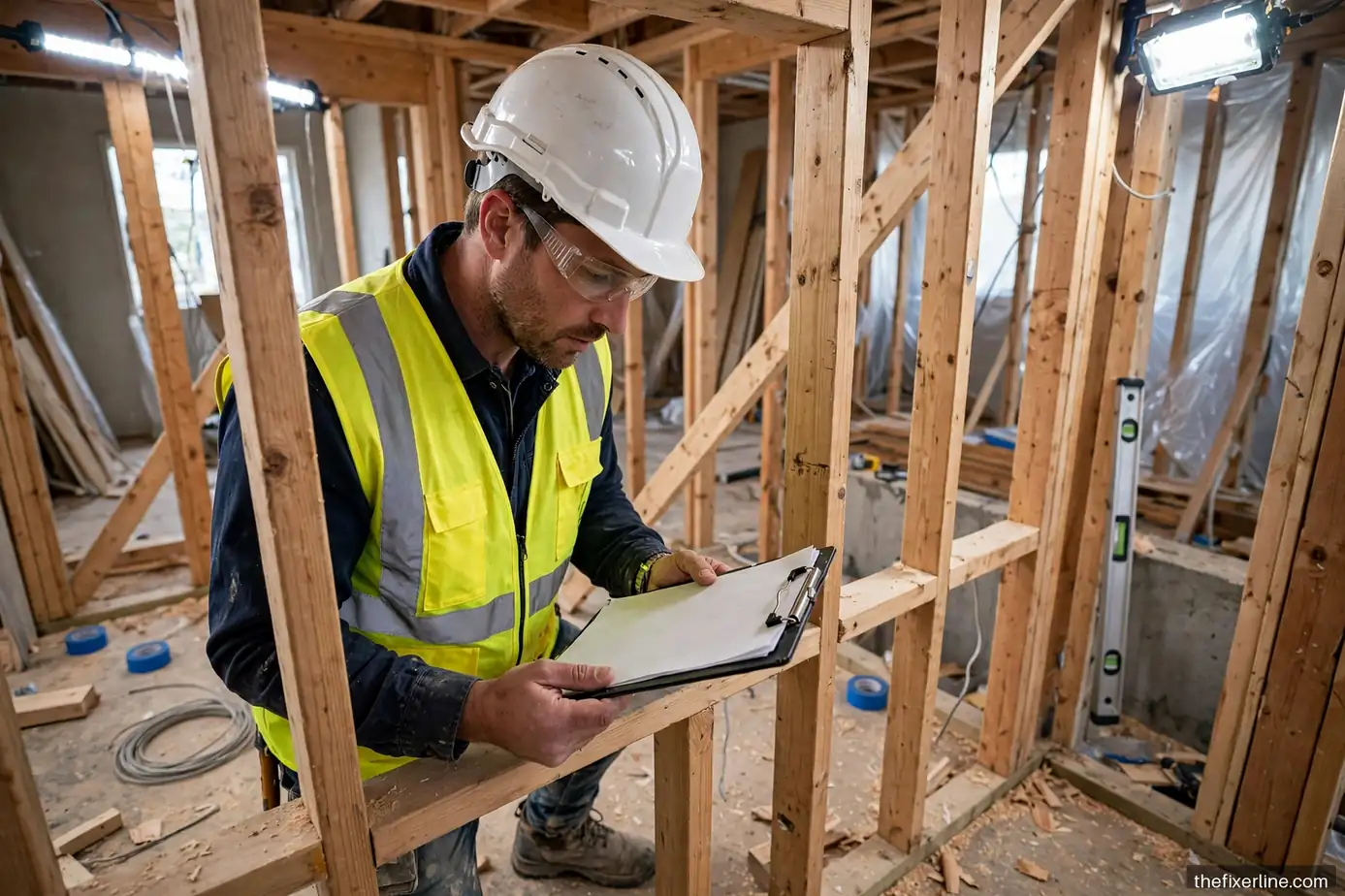
September 26, 2026
Permits 101: Which Home Projects Need Permits
Which projects typically need a permit, how the process works, and what happens if you skip it.
Read the guide →
September 24, 2026
How to Hire a Contractor: Vetting, Quotes, and Red Flags
Verify licenses and insurance, compare quotes, and spot the red flags before you sign.
Read the guide →September 22, 2026
10 Home Repairs You Should Never DIY
Knowing what not to touch is the most valuable repair skill. These 10 jobs belong to licensed pros.
Read the guide →Cost estimator
Home repair cost estimator
Answer three quick questions for an illustrative cost range you can use for budgeting. Figures are planning estimates, not quotes.
Estimates are illustrative planning figures based on typical project scopes — not quotes and not a promise of any price. Actual costs vary by region, materials, home condition, and contractor. Always get written quotes from licensed professionals before committing to work, and call a licensed pro for gas, electrical panel, or structural work.
Quick answers
Frequently asked questions
Short answers to the questions every homeowner asks first.
I have never done home repairs. Where should I start?
Start with safety: shut off water before plumbing work and power before anything near wiring. Then pick one small project — fixing a leaky faucet or patching a nail pop — and follow a full guide rather than improvising. Our guides list every tool up front so there are no surprises.
What basic tools do I need for DIY home repair?
Most guides here assume a basic kit: screwdrivers, hammer, tape measure, utility knife, adjustable wrench, pliers, level, and a drill. Specialty tools are called out per project, and we note which ones are worth buying versus borrowing.
How much will my repair cost?
Use the Home Repair Cost Estimator above for an illustrative range, then get at least three written quotes for anything beyond small DIY. Remember that estimates here are planning figures, not quotes — real prices vary by region and contractor.
Which repairs should I never attempt myself?
Gas lines, electrical panel work, structural changes, roofing, and anything involving asbestos or major mold belong to licensed professionals. Our guide to 10 repairs you should never DIY explains exactly where the line is and which pro to call.
Do I need a permit for my project?
Cosmetic and like-for-like work — painting, patching drywall, replacing a faucet with an equivalent — usually needs no permit. Structural, electrical, plumbing, and HVAC changes typically do. Always verify with your local building department before starting.
What should I do in a home repair emergency?
Turn off the water at the fixture valve (or the main), contain the leak with buckets and towels, and avoid using chemical drain cleaners. For burst pipes, gas smells, or sparking outlets, leave the area safe and call a professional immediately.
Still have a question? Contact us →